Business Name: BeeHive Homes of Taylorsville
Address: 164 Industrial Dr, Taylorsville, KY 40071
Phone: (502) 416-0110
BeeHive Homes of Taylorsville
BeeHive Homes of Taylorsville, nestled in the picturesque Kentucky farmlands southeast of Louisville, is a warm and welcoming assisted living community where seniors thrive. We offer personalized care tailored to each resident’s needs, assisting with daily activities like bathing, dressing, medication management, and meal preparation. Our compassionate caregivers are available 24/7, ensuring a safe, comfortable, and home-like setting. At BeeHive, we foster a sense of community while honoring independence and dignity, with engaging activities and individual attention that make every day feel like home.
164 Industrial Dr, Taylorsville, KY 40071
Business Hours
Monday thru Sunday: Open 24 hours
Facebook: https://www.facebook.com/BHTaylorsville
Instagram: https://www.instagram.com/beehivehomesoftaylorsville/
Aging rarely follows a straight line. One month your dad is managing his blood pressure and grilling on Sundays, the next he forgets to turn off the stove. Your mom may still read the paper cover to cover, yet loses track of her afternoon pills three times a week. Families often wrestle with a false choice: either keep a parent at home and accept mounting risk, or move them somewhere that strips away control. Good assisted living communities were designed to break that bind. The real goal is not to take over, but to support older adults in doing more of what matters to them, more safely and with less friction.
Over two decades of working with families and senior living teams, I’ve seen a range of outcomes. Some parents thrive, some stall, and a few struggle. The difference rarely comes down to décor or price, and more often to how well a community matches a person’s abilities, preferences, and habits. Independence has layers. It includes physical mobility, cognitive stamina, social engagement, identity, and the quiet confidence that today will be manageable. Assisted living can reinforce each layer if it is approached thoughtfully.
What independence actually looks like in later life
People often mistake independence for doing everything without help. That sets an impossible bar and ignores how most of us live even in our younger years. We outsource lawn care, take rideshares after surgery, use smartphone reminders. Older adults deserve the same practical tools and scaffolding. In senior housing, independence means retaining control over daily rhythms, decisions, and roles, while receiving targeted support for the tasks that create risk or drain energy.
Consider the daily cycle. Waking on one’s own schedule, choosing breakfast, deciding between tai chi and a walk with a neighbor, calling a granddaughter mid-afternoon, picking salmon instead of pasta at dinner, closing the door at night and enjoying a quiet show. These choices are small, but together they build a sense of self-direction. When assistance is well-calibrated, it removes friction without erasing autonomy. Help with a bath reduces the risk of a fall on wet tile. Medication reminders prevent the 7 p.m. double-dose. Transportation to a cardiology appointment preserves health without forcing a son to leave work early. The elder remains the author of the day.
Independence also includes dignity during complex moments. For someone with mild cognitive change, having a staff member cue the sequence of getting dressed but step back while the person buttons a sweater preserves both function and pride. For a retired teacher with arthritis, a raised garden bed and thick-handled tools transform a hobby from a hazard into a joy. These adjustments may seem minor. They are not. They are the difference between withdrawing and participating.
Safety as a platform, not a cage
Families often start with a safety incident: a fall, a kitchen fire, a minor car crash. Safety matters, but it should serve as a platform for living, not a cage. The best assisted living communities understand risk management as a way to enable activity. Grab bars in the shower become a ticket to personal hygiene without fear. Motion-sensor lighting guides nighttime bathroom trips. Wider hallways allow for walkers and scooters without the awkward dance of passing someone in a tight corridor.
When safety infrastructure is done right, it fades into the background. Residents use tools and systems without feeling surveilled. Electronic key fobs keep doors secure, but a resident can still step out for a stroll in the enclosed courtyard. Staff check-ins feel like friendly hellos, not policing. If a parent wanders at night due to early dementia, humane solutions exist: quiet overnight activity rooms, soft music, and trained staff who know how to redirect without shaming.
Protective measures should be individualized. A person with neuropathy may need a fall-prevention plan and footwear guidance. Someone with mild cognitive impairment might have a simplified closet and color-coded drawers. A person with diabetes could benefit from supervised meals that still respect cultural preferences. The point is to shape safety around the person, not force the person into a rigid protocol.
Where assisted living shines, and where it doesn’t
Let’s be candid. Assisted living is not a silver bullet, nor is it the right fit for everyone. It shines when an older adult needs help with several activities of daily living but still has the desire and capacity to participate in community life. It offers predictable support and flexible privacy. It allows couples with different needs to stay together, each getting the right level of care. It can be the ideal bridge between home and higher levels of medical care.
It falls short when needs are largely medical and unpredictable, such as complex wound care, continuous oxygen monitoring, or frequent injections that exceed the facility’s license. It also struggles when untreated mental health challenges dominate the day. Depression can make even the most engaging environment feel dull. Good communities screen for fit and will tell you when skilled nursing or home-based services make more sense.
For families weighing options, two alternatives often arise: home with hired help, or a smaller residential care home. Home care retains familiarity but can become fragmented if you piece together multiple caregivers. A small care home offers intimacy, but may lack the range of programs that keep a parent engaged. Assisted living occupies that middle ground: amenities, activities, and social opportunities paired with on-demand support. The correct choice depends on your parent’s temperament, medical profile, social style, and finances.
The rhythm of a well-supported day
A day in a strong community does not feel institutional. It feels like a neighborhood with a concierge. Morning might begin with a gentle knock from a care associate who knows how your mother takes her tea and that your father hates being rushed. Medications are administered accurately, not because a nurse hovers, but because systems are tight and staff are consistent. Group exercise is offered at different levels: seated strength training, balance class, and a more challenging walk outside when weather permits.
Lunch is social, but not mandatory. Residents can choose a table with friends or a quiet corner alone. Dining teams that respect autonomy keep flexible hours and varied menus. If a resident with Parkinson’s moves slowly, staff serve without broadcasting it to the room. If speech is soft after a stroke, there are communication boards or just patience.
Afternoons are the litmus test. Do people disappear into rooms for hours, or do they flow in and out of purposeful spaces? Art studios, wood shops, book clubs, music hours, and volunteer projects reveal a community’s soul. One resident I knew led a weekly “Letters to Grandkids” club that paired elders with high school students. Stamps, stationary, smiles. Not every resident attends, and that’s fine. High-quality independence looks like the freedom to pick or skip, without guilt or pressure.
Evenings should slow to a comfortable pace. Family visits, movie nights, or a quiet game of cards. Staff who know a resident’s history notice cues of fatigue and step in early to help with nighttime routines, which reduces falls and sundowning behaviors. Sleep quality is health quality. Attentive teams preserve both.
Memory care with dignity and agency
When cognitive change progresses from mild forgetfulness to consistent disorientation, safety concerns grow. This is where dedicated memory care programs, often nestled within or adjacent to assisted living, can be invaluable. The aim is not to isolate, but to structure the environment so that people living with dementia can succeed. That starts with design: clear sight lines, circular walking paths, signage at eye level, personalized shadow boxes at doorways with photos or mementos that cue identity.
Curriculum matters more than paint color. Staff trained in validation therapy and positive redirection know how to meet a resident in their reality. Instead of correcting, they connect. A former nurse might “help” fold linens at a quiet worktable, which gives purpose and calms agitation. A musician may respond to a playlist curated from their young adulthood. Short, failure-free tasks build agency. Family members often report that a parent becomes more interactive in memory care than at home, because the environment reduces the friction that triggered anxiety.
The nuance here is choice. Memory care that crushes choice undermines the very independence it aims to protect. People living with dementia can still choose a blue sweater or a green one, apple slices or yogurt, a walk in the garden or chair yoga. The goal is to shrink the decision set to something manageable while keeping the person in the driver’s seat. Safety is real, and exit doors are secured, but within those boundaries, life unfolds with rhythm and respect.
The strategic role of respite care
Families underestimate the value of respite care. Short stays of a few days to a few weeks give caregivers a true break, test compatibility with a community, and stabilize a parent after a hospitalization. I’ve seen respite prevent burnout that would otherwise fracture a family. A daughter flew to her own son’s wedding without the heavy guilt of leaving her father alone. She returned rested, and her father, who had enjoyed three meals a day and two new friends, asked to extend his stay. Even when respite does not lead to a move, the parent benefits from round-the-clock support during a vulnerable period, and the family gains data about what level of assistance actually works.
Respite also smooths transitions. After a knee replacement, practicing rehab in a setting with therapists on-site and staff who know how to cue safe transfers reduces readmission risk. If a family is considering memory care but unsure of timing, a brief stay can reveal how the person responds to structured programming. The key is to frame respite as a trial of services, not a test of the person. That mindset preserves dignity and avoids the sense of being evaluated.

How assisted living promotes real independence
Strong communities operate on a simple principle: do with, not for. That approach shows up in details. Rather than dressing a resident from head to toe, staff lay out two outfits and cue steps, only stepping in for buttons or shoes if arthritis demands it. Instead of spoon-feeding, they provide adaptive utensils and plate guards. Rather than forbidding cooking, they create a supervised kitchen hour where residents can bake together. This keeps skills alive and spirits high.
Independence grows when staff know the person, not just the chart. Life story work matters: what did this person do for a living, what were their hobbies, what foods spark comfort, what faith practices soothe them during stress? A retired engineer may thrive when asked to help fix small items or organize a tool cabinet. A former choir director can lead a sing-along. Leadership roles inside a community are not frivolous. They answer the existential question of late life: why am I here.
Technology should be invisible and supportive. Wearable pendants for emergency calls, medication management systems that dispense at set times, discreet bed sensors that flag unusual nighttime movement. The danger lies in tech replacing human presence. The tools help, but relationships do the heavy lifting. Residents trust people they see daily who greet them by name and remember small preferences, like extra lemon or the radio news at breakfast.
The financial and practical calculus
Cost is real. Assisted living rates vary by region and level of help, with base fees commonly covering housing, meals, and basic services, and additional charges for medication administration, bathing assistance, or specialized memory support. Families should ask for a clear, itemized fee schedule and a history of rate increases over the past three years. A community that evades those questions is waving a red flag.
Financial planning is not a one-time event. Unexpected needs appear: oxygen concentrators, special diets, additional caregiver hours after a hospitalization. A sustainable plan takes into account not just current costs, but the likely arc of care. Veterans benefits, long-term care insurance, and state programs may offset expenses, though eligibility and coverage vary. A reputable community keeps a seasoned business office that can explain options without pressure.
The practical side involves logistics. What is the staff-to-resident ratio at different times of day, not just an overall number? Who administers medications, and what is their training? How are falls tracked and prevented? How does the community coordinate with outside providers, like home health agencies or hospice? Transport for appointments can be a quality-of-life hinge. A shuttle that is reliable and wheelchair accessible opens the world; a van that cancels last minute traps residents.
Choosing a community with your parent, not for them
The process should respect your parent as the protagonist. Tour together. Eat a meal in the dining room rather than sipping coffee in the sales office. Watch the staff during shift change. Listen in the hallways. You can tell a lot by whether team members greet residents by name, whether laughter feels natural, whether residents are sitting in circles or lined up facing a TV.
Two quick tests reveal a lot. First, ask a caregiver, not a manager, how they would welcome your parent on day one. If the answer includes specifics about orientation, routines, and small comforts, they’ve done this well before. Second, ask to see a typical monthly activity calendar, then pop in on two activities during your visit. Calendars are easy to print. Participation is harder to fake.
One family I worked with brought their father, a retired postal worker, to three communities. At the first, the director steered the conversation toward the daughter, even when the father answered for himself. At the second, a floor nurse asked him about memorable routes and whether he preferred early mornings. He lit up. They chose the senior care BeeHive Homes of Taylorsville second, and six months later he was the unofficial morning greeter in the lobby, handing out mail at 10 a.m. to residents and staff, complete with jokes. The building didn’t make him independent. The role did.
When needs change: staying nimble without losing agency
Aging needs rarely hold still. What works this year may not fit next year. Strong communities anticipate this and communicate early. Care plan reviews every 90 days are common, but informal check-ins matter more. If your mother starts skipping meals, is the dining staff noticing? If your father withdraws from his woodworking circle, is someone asking why?
Memory care transitions need particular care. Families often wait too long out of fear that a move will harm a loved one. The truth I’ve seen: early transition, when the person can still benefit from structured programs and form friendships, is gentler than a crisis move after an elopement or hospitalization. The move should be framed as access to more of what the person enjoys, not less freedom. Invite familiar staff to be part of the first week in memory care. Bring the favorite chair and quilt. Keep familiar rhythms.
Hospice can and often should arrive in assisted living or memory care rather than requiring a hospital transfer. Hospice adds a layer of comfort-focused care, symptom management, and family support without uprooting a resident from the people and routines that give them peace. That continuity protects identity at a time when it is under stress.
Common myths that hold families back
Several myths derail good decisions. The first is that assisted living is the same as a nursing home. It isn’t. Assisted living offers personal care and support, but not the 24-hour skilled nursing that hospitals provide. It feels far more residential and less clinical. The second is that moving a parent means you failed as a caregiver. In reality, bringing in professional support can be the most loving act, freeing you to be a son or daughter again rather than a frazzled nurse, chauffeur, and chef.
Another myth is that memory care means locked doors and lost rights. Modern memory care prioritizes freedom within safety: open courtyards, secure perimeters, predictable choices. People can and do flourish in these settings. Finally, some believe respite care will confuse a parent. Sometimes the first day is disorienting. By day three, routines settle, and many residents enjoy the social energy. If confusion persists, you pivot. Short trials are information, not failure.
A practical, human-centered checklist for families
Use this brief checklist to focus your search on independence and safety, not just shiny amenities.
- Observe resident energy: Are people engaged in purposeful activity during mid-afternoon, or sleeping in public spaces? Ask about staff stability: What is the annual turnover rate for caregivers and nurses, and how are replacements trained? Probe care practices: How do they cue independence during dressing, bathing, and meals rather than doing tasks for residents? Review safety protocols: How are falls prevented and tracked, what is the overnight staffing, and how are emergencies handled? Explore layers of care: How do assisted living, memory care, and respite care fit together, and how smoothly can a resident move between them?
Stories that show what’s possible
Two stories stay with me. Mrs. Alvarez, 84, adored her garden. At home, watering became risky due to uneven steps and a heavy hose. Her daughters worried she would fall again. In assisted living, the maintenance team built waist-high planters along a sunlit terrace. Staff set out a lightweight coil hose each morning, and a neighbor joined her twice a week. She produced small bowls of cherry tomatoes for the dining room and wore her floppy hat with pride. Her daughters stopped seeing her as fragile and started seeing her as the gardener she had always been.
Then there was Mr. Chen, a retired machinist with early Parkinson’s and mild cognitive changes. At home he resisted bathing and missed medications, leading to a hospitalization. In memory care, he joined a short, structured “makers hour” where residents disassembled and reassembled small items with magnets and safe tools. The activity was tailored to success. He began accepting evening showers after the session, because staff tied the routine to a clear cue: “Let’s wash up and get ready for tomorrow’s project.” His tremor didn’t vanish, but his days had shape, and his wife stopped living on the edge of panic.
Neither story is a miracle. They reflect thoughtful design, respectful staff, and families willing to try a different path. Independence grew precisely because support was present and well-aimed.
The promise and the responsibility
Assisted living, memory care, and respite care each provide structures that can turn worry into breathing room and routine into purpose. The promise is real: safer days, fewer crises, more room for the parts of life that still sparkle. The responsibility is just as real: choose carefully, stay engaged, and advocate for the person your parent has been and still is.
Safety is not the endpoint. It is the floor that lets a person stand tall. When the right team and environment wrap around your parent, independence does not fade. It changes shape, often in ways that surprise everyone. Your mother might become the keeper of the crossword table. Your father might teach a young staff member how to tune a guitar. These are not small wins. They are the everyday proofs that a safer tomorrow can also be a fuller one.
BeeHive Homes of Taylorsville provides assisted living care
BeeHive Homes of Taylorsville provides memory care services
BeeHive Homes of Taylorsville provides respite care services
BeeHive Homes of Taylorsville supports assistance with bathing and grooming
BeeHive Homes of Taylorsville offers private bedrooms with private bathrooms
BeeHive Homes of Taylorsville provides medication monitoring and documentation
BeeHive Homes of Taylorsville serves dietitian-approved meals
BeeHive Homes of Taylorsville provides housekeeping services
BeeHive Homes of Taylorsville provides laundry services
BeeHive Homes of Taylorsville offers community dining and social engagement activities
BeeHive Homes of Taylorsville features life enrichment activities
BeeHive Homes of Taylorsville supports personal care assistance during meals and daily routines
BeeHive Homes of Taylorsville promotes frequent physical and mental exercise opportunities
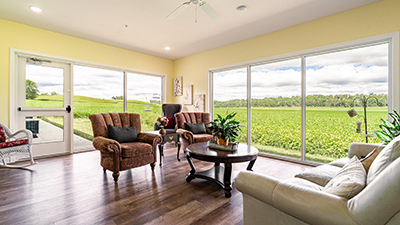
BeeHive Homes of Taylorsville provides a home-like residential environment
BeeHive Homes of Taylorsville creates customized care plans as residents’ needs change
BeeHive Homes of Taylorsville assesses individual resident care needs
BeeHive Homes of Taylorsville accepts private pay and long-term care insurance
BeeHive Homes of Taylorsville assists qualified veterans with Aid and Attendance benefits
BeeHive Homes of Taylorsville encourages meaningful resident-to-staff relationships
BeeHive Homes of Taylorsville delivers compassionate, attentive senior care focused on dignity and comfort
BeeHive Homes of Taylorsville has a phone number of (502) 416-0110
BeeHive Homes of Taylorsville has an address of 164 Industrial Dr, Taylorsville, KY 40071
BeeHive Homes of Taylorsville has a website https://beehivehomes.com/locations/taylorsville
BeeHive Homes of Taylorsville has Google Maps listing https://maps.app.goo.gl/cVPc5intnXgrmjJU8
BeeHive Homes of Taylorsville has Facebook page https://www.facebook.com/BHTaylorsville
BeeHive Homes of Taylorsville has an Instagram page https://www.instagram.com/beehivehomesoftaylorsville/
BeeHive Homes of Taylorsville won Top Assisted Living Homes 2025
BeeHive Homes of Taylorsville earned Best Customer Service Award 2024
BeeHive Homes of Taylorsville placed 1st for Senior Living Communities 2025
People Also Ask about BeeHive Homes of Taylorsville
What is BeeHive Homes of Taylorsville Living monthly room rate?
The rate depends on the bedroom size selection. The studio bedroom monthly rate starts at $4,350. The one bedroom apartment monthly rate if $5,200. If you or your loved one have a significant other you would like to share your space with, there is an additional $2,000 per month. There is a one time community fee of $1,500 that covers all the expenses to renovate a studio or suite when someone leaves our home. This fee is non-refundable once the resident moves in, and there are no additional costs or fees. We also offer short-term respite care at a cost of $150 per day
Can residents stay in BeeHive Homes until the end of their life?
Usually yes. There are exceptions, such as when there are safety issues with the resident, or they need 24 hour skilled nursing services
Do we have a nurse on staff?
No, but we do have physician's who can come to the home and act as one's primary care doctor. They are then available by phone 24/7 should an urgent medical need arise
What are BeeHive Homes’ visiting hours?
Visiting hours are adjusted to accommodate the families and the resident’s needs… just not too early or too late
Do we have couple’s rooms available?
Yes, each home has rooms designed to accommodate couples. Please ask about the availability of these rooms
Where is BeeHive Homes of Taylorsville located?
BeeHive Homes of Taylorsville is conveniently located at 164 Industrial Dr, Taylorsville, KY 40071. You can easily find directions on Google Maps or call at (502) 416-0110 Monday through Sunday Open 24 hours
How can I contact BeeHive Homes of Taylorsville?
You can contact BeeHive Homes of Taylorsville by phone at: (502) 416-0110, visit their website at https://beehivehomes.com/locations/taylorsville,or connect on social media via Facebook or Instagram
Rick's White Light Cajun Diner offers classic diner-style meals that can be enjoyed by residents receiving assisted living or memory care during senior care and respite care outings.